
By Francis Pandu Shilongo
“Architecture allows you to reflect the community you serve as well as reflect on what the community is becoming”
Who is Francis?
In 2010, Francis began an exciting journey into the world of design and architecture, unaware of the incredible experiences that lay ahead. As a high school student, he had always been passionate about drawing and had a keen interest in arts, patterns, repetition, and rhythm recognition. Driven by curiosity, he researched careers that would align with his interests, ultimately submitting six applications to universities across South Africa, the UK, Ukraine, and Namibia to study for a Bachelor of Architecture degree.
With excellent grades under his belt, Francis was accepted into four institutions but eventually chose the Namibia University of Science and Technology (NUST). Being close to home gave him insight into the local market and access to a strong support system, as he planned to pursue business endeavors during his studies.
During his undergraduate years, Francis underwent a transformative journey. Coming from a sports-oriented background that emphasized structure and teamwork, he found architecture introduced him to a new world of individualism and new relationships with diverse and artistic individuals. He appreciated the open-mindedness of his lecturers, which allowed for intellectual conversations and discussions.
As part of NUST’s third cohort group studying architecture, Francis grew alongside the developing program itself. His communication skills evolved as he became adept at presenting his work and conveying design concepts. In his second year, witnessing himself and his peers struggle only motivated him further to refine his skills and avoid those pitfalls.
Although Francis was used to being a team player from his sports background, group projects challenged this skill as not everyone’s work ethic and understanding of teamwork aligned with what he was used to. He spent countless hours perfecting projects, most times even working late into the night. Despite the intense workload, Francis maintained a balanced social life thanks to the unwavering support from friends and family.
Today, Francis’ passion for architecture continues to flourish as he delves deeper into design styles, sustainability, urban and rural development studies and the impact of architectural and urban design on society. Now an Architect in Training at Mutua Scriba Architects (MSA) and a successful entrepreneur running Francis Photo Studios, his incredible journey serves as a testament to hard work and dedication.
The story of Arrebusch Timber Artisans Village
Project Location: Windhoek, Namibia
Year : 2018
University : Namibia University of Science and Technology(NUST), Namibia
In 2017, during his first year, Francis was exposed to a range of intriguing modules that shaped his academic interests, delving into African architectural history, housing concerns, urbanism, and more. A lighter project later in the year saw him designing an art gallery adjacent to The Wine Bar in Windhoek.
Fast forward to 2018, Pandu reflects on the captivating projects from his bachelor’s program which ignited his passion for tackling challenges relevant to Namibia’s current socio-economic status. Despite being proficient in various fields like Hospitality,
residential, and educational facilities, he noticed a knowledge gap concerning informal development. This fuelled his desire to explore informality further.
His research led to the discovery of Philip Lühl’s work with the Herero Mall informal market development. Inspired by Lühl’s work, Francis sought to incorporate similar concepts into informal urban settings. He conducted several precedent studies – including Dr. Frans Indongo market in Oshakati and Mbangura Woodcarvers market in Okahandja as well as some other precedents in Sub-Saharan Africa – and explored various informal spaces in Windhoek and throughout Namibia.
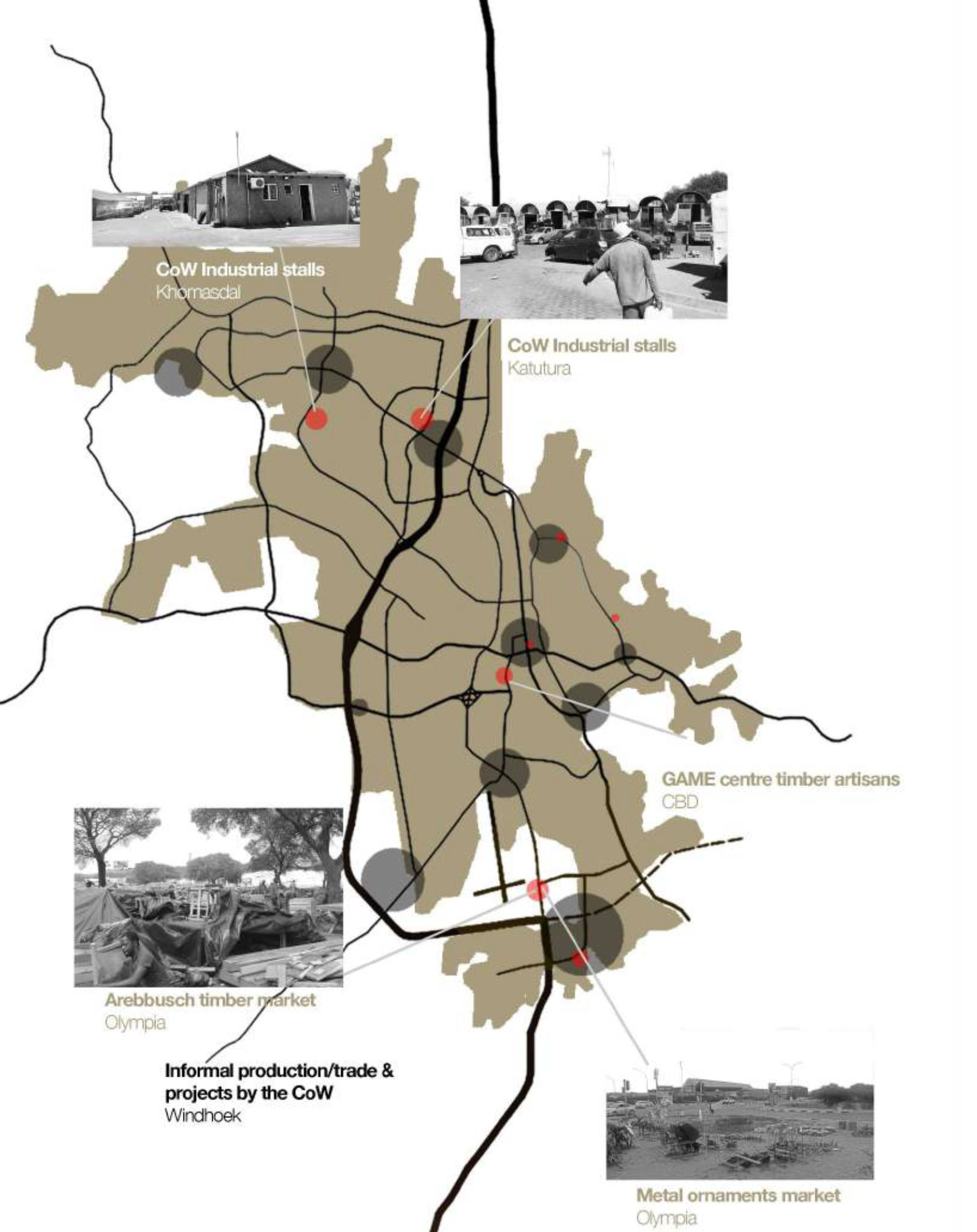
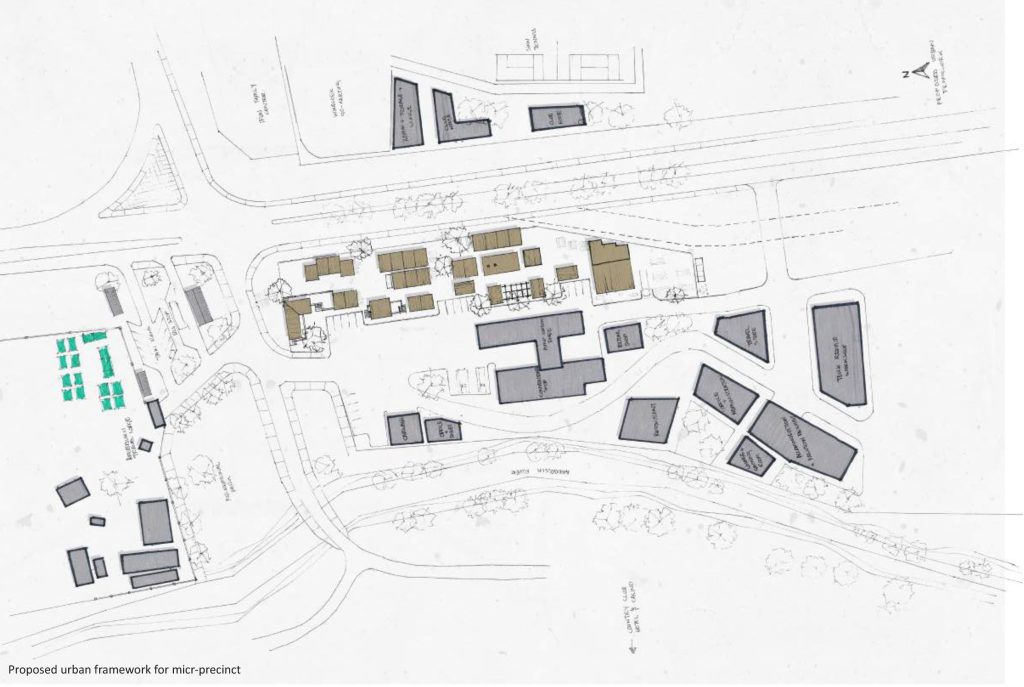
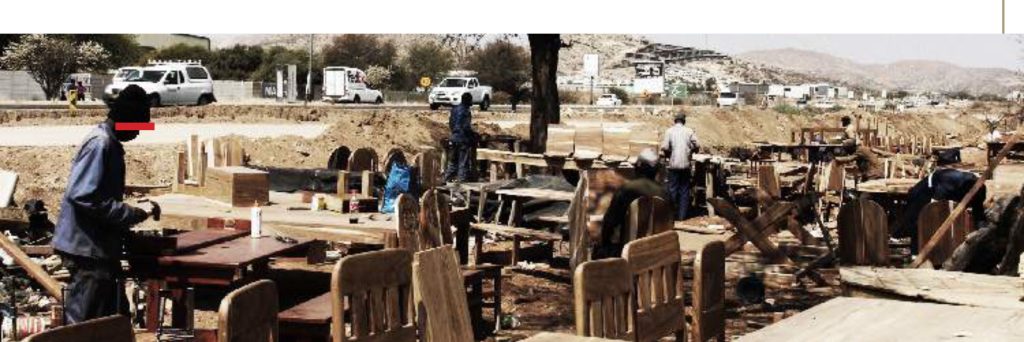
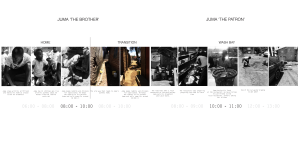
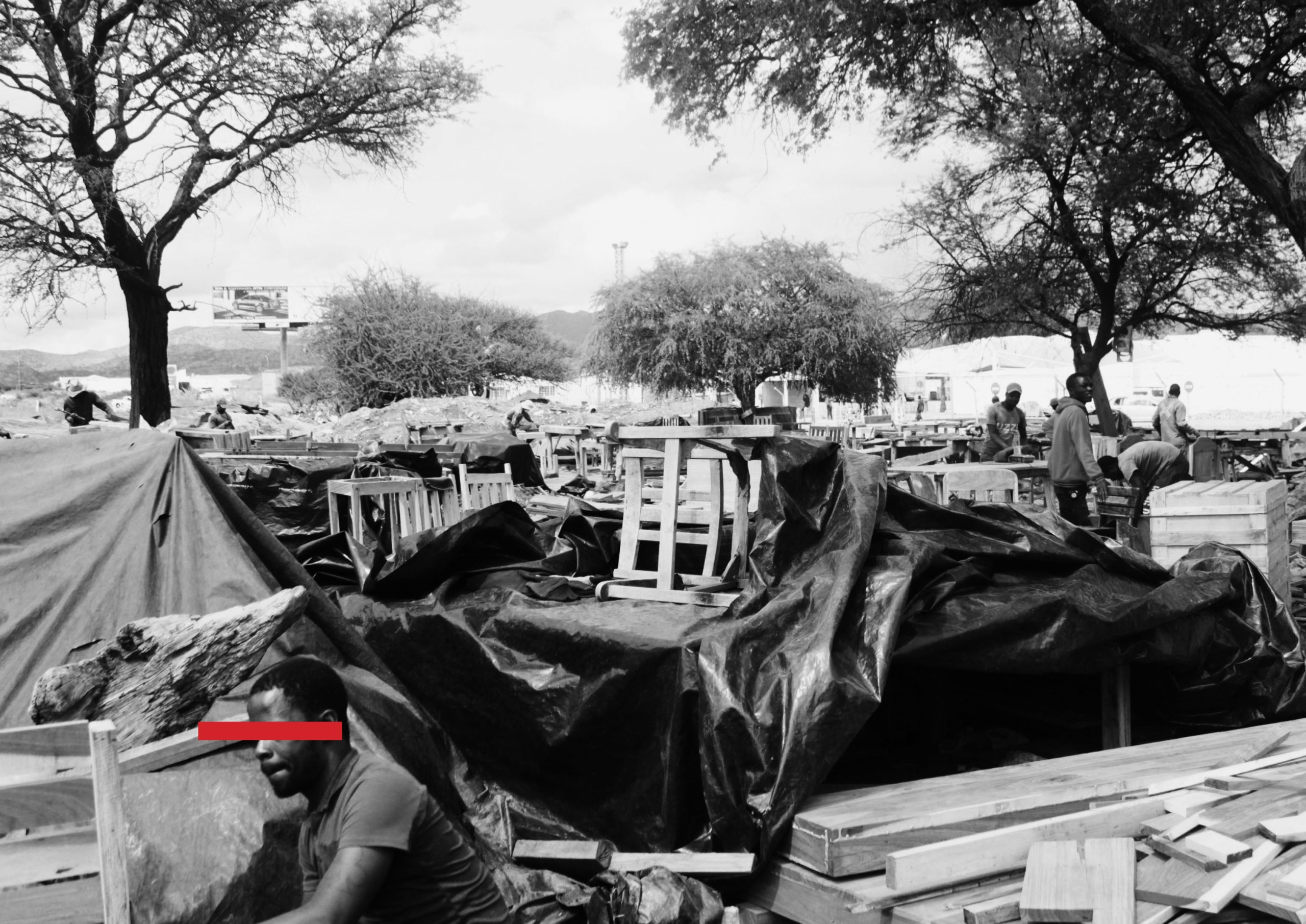
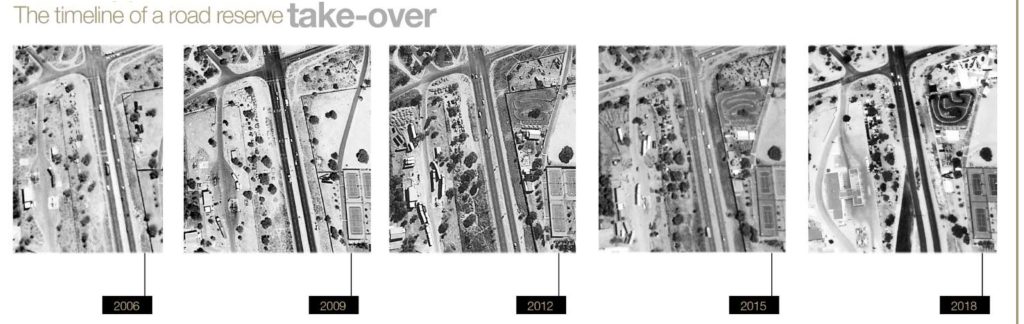
For the specific thesis project, Francis chose a location near Arrebusch Lodge and opposite a service station for his project – an informal woodworking area in Windhoek, Namibia. Engaging with local artisans allowed him to better comprehend their day-to-day challenges, workflow processes, display and material placement rationale. The insight presented Francis with an opportunity to depict order within an informal economy/establishment. He decided to tackle intricate issues related to the site, such as the highway, riverbed, service station, informality, lodge and local authority regulations.
Collaborating closely with artisans was essential for this project since it aimed to create a space tailored precisely for their needs. Involving end-users resulted in more effective design solutions. The connections formed during eight visits for sketching exercises have persisted even after project completion. The collaborative design process also encompassed discussing preferred layouts for healthier work environments and technical details.
Eventually, Francis shared his finalized designs with the artisans
on A0 boards. In this project, 8 visits were conducted to examine the existing market layout and gather the artisans’ preferences, ultimately creating a healthier work environment with careful attention to technical details.
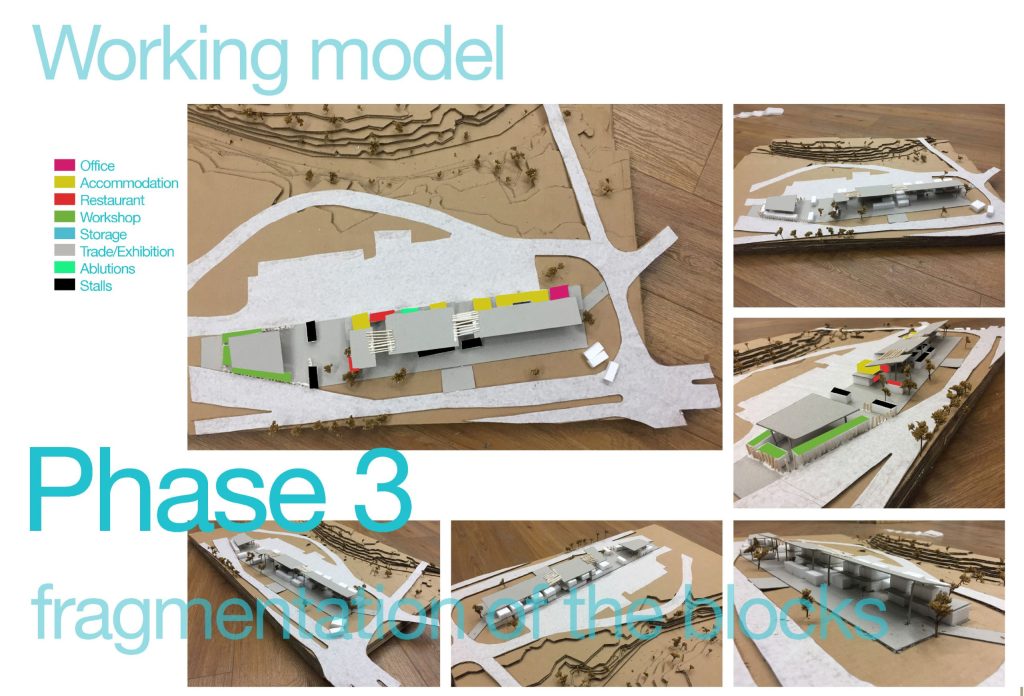
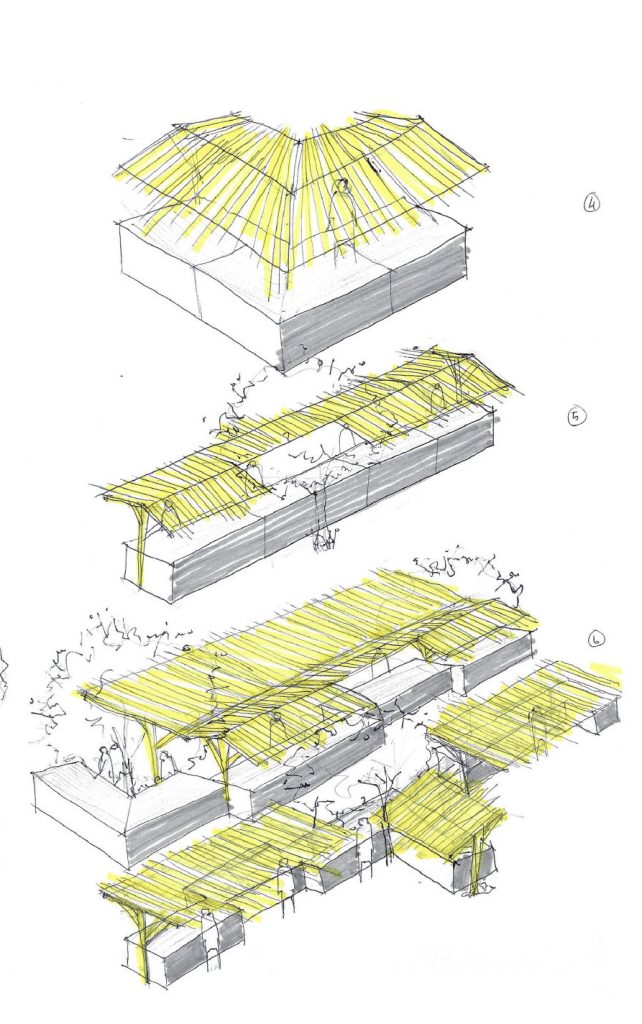
The final designs were presented on A0-sized sheets to the artisans. The design encompassed various functions catering to the artisans’ way of life, including housing units, workshop spaces, trading/exhibition areas, a restaurant, stalls, and storage facilities. The technical aspects of each building were thoroughly explored, drawing inspiration from renowned Burkina Faso architect Francis Kere’s architectural works and other notable designs like Abe Ryo’s Shima Kitchen in Teshima, Japan.
A year later, Francis and his mentor Philip Lühl were invited to present the thesis to the City of Windhoek with hopes that the design would be implemented on-site. This led Francis to spend another 8 months refining the design. However, due to future highway expansion plans and potential fire hazards from proximity to a service station, and other non-design related obstacles led to the project being halted indefinitely.. The NUST two-year Masters of Architecture course was ultimately described by Francis as Enlightening, as he states that it offered exciting intellectual challenges that further fueled his passion for design, architecture and urbanism.